A CRM is an essential tool for companies where a huge number of transactions happen all the time, and dozens of people are consulting, analyzing, and making important business decisions based on personal and sensible information. I had the chance to redesign a CRM for a top-tier BNPL company based in Mexico where the main concern was data privacy and eliminating 3rd Party dependencies ensuring a new solid and robust tool for decision-makers, in this case, credit approbation associates.
Objectives
Redesign the CRM in time record (1 week)
Improve the user pattern, increasing the efficiency of credit-approval tasks for a small team (4 people)
Decreasing average time per ticket (Usually up to 10 minutes.) to 6 minutes or less.
Increasing organization and transparency on daily tasks and improving close collaboration between partners and other internal teams like Business Development, Customer Success, and Key Account Managers.
And finally but more importantly, Keep every interaction secure keeping sensible data from merchants and final users protected from external threats.
The Approach
1. Problem framing.
CRM is a very complex tool that requires a lot of resources especially the economical and technical, and considering the time (1 week) the complexity of this project was very risky In my team we didn't have any chance to fail.
For that reason, I decided to tackle the challenge from one big and integral perspective considering simultaneously a huge number of elements.
First I conducted lightning talks with the managers involved about what they did expect from this project, what was the KPI to consider, and most importantly, to understand their best and worst practices at work measuring some metrics like complexion time of common tasks, issues and technical limitations of the current CRM.
Meanwhile, I had several shadowing sessions with the credit approval team these sessions were, recorded, transcripted, and documented for a subsequent deep analysis.
2. Data collection and information sampling
After the sessions with the 4 people team and the lightning talks with the 2 principal stakeholders was time to get all the information ready to be collected and sampled using the Grounded Theory approach.
Grounded theory is a qualitative research methodology used to develop theories or conceptual frameworks based on empirical data.
Grounded theory aims to understand social phenomena by sistematically collecting and analyzing data. the proces involves iterative coding and constant comparison of data to generate concepts, categories and relationships. (Birks & Mills 2015).
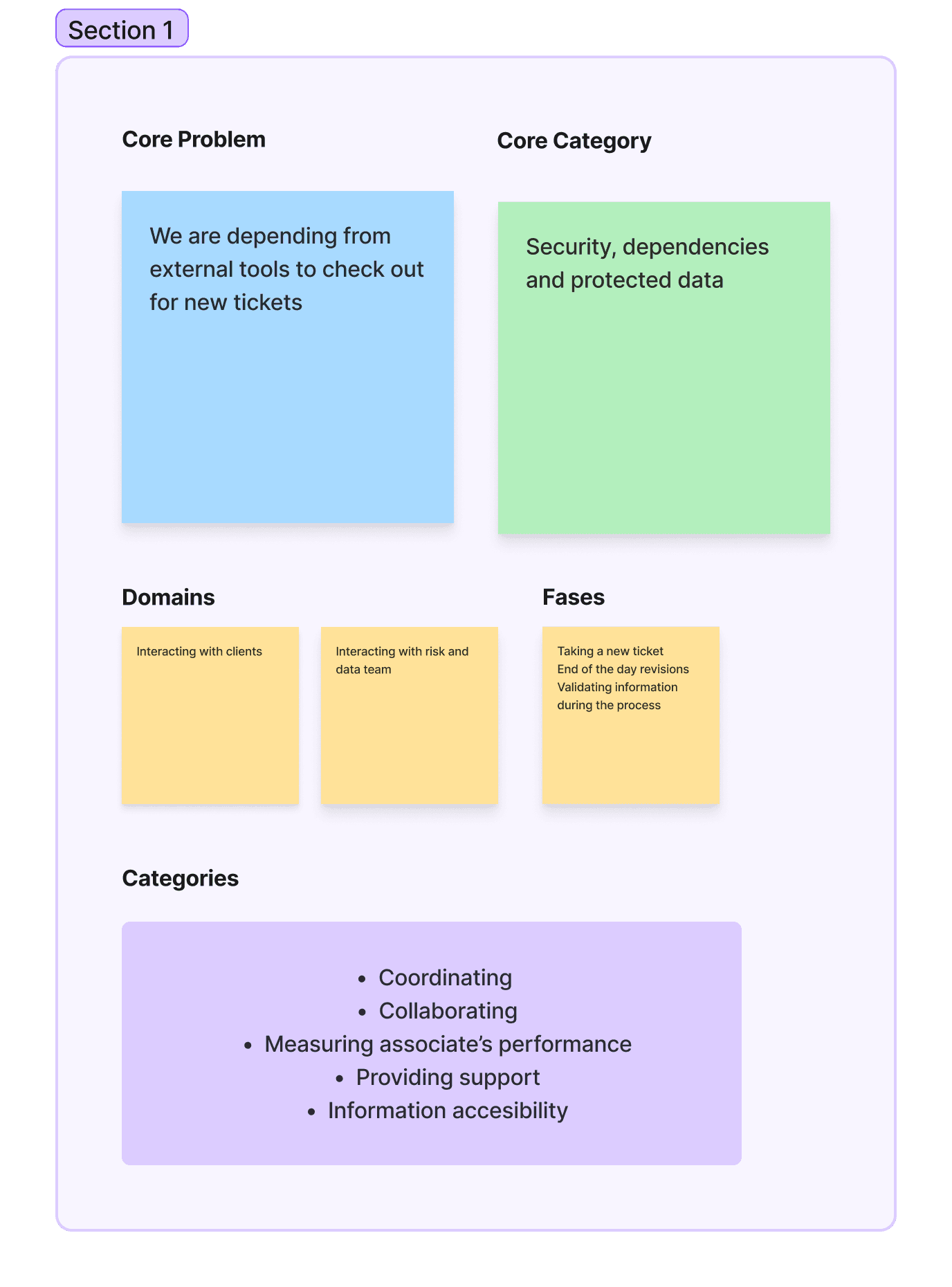
Figure 1. An example of how Grounded theory is used to sample and categorize information.
3. Preparing data insights and creating project documentation
At this point of the project, we had all necessary information labeled, resulting on many key insights to follow that matches with the main objectives mentioned before.
After that, I prepared the following key insights were presented to managers and CEO to be approved and considered.
Increase information security and hygiene: Actions aimed at maintaining information security, recognizing and avoiding gaps that put the privacy of the identities of clients and staff at risk.
Reduce unnecessary tasks: Eradicating actions that represent an increase in time in the average time in each interaction, such as manual searches, copy and paste, opening new windows, and remembering key information among other actions that prevent users from using the system freely and effectively (Nielsen Norman, usability heuristics, 1994).
Eradicate third-party dependencies: Actions aimed at stopping depending on Slack and, to the extent possible, tools that put the continuity of user tasks at risk, such as sudden system crashes, etc.
Increase collaboration and task tracking: Making functionalities available to users that allow them to communicate quickly, allowing them to make faster decisions to help customers and the business such as a more organized request queue appropriate to our workflow.
Increase the organization of daily activities: The aim is to add tools that allow associates to better organize their day from start to finish, to strengthen error prevention, such as reviewing their ticket trays daily.
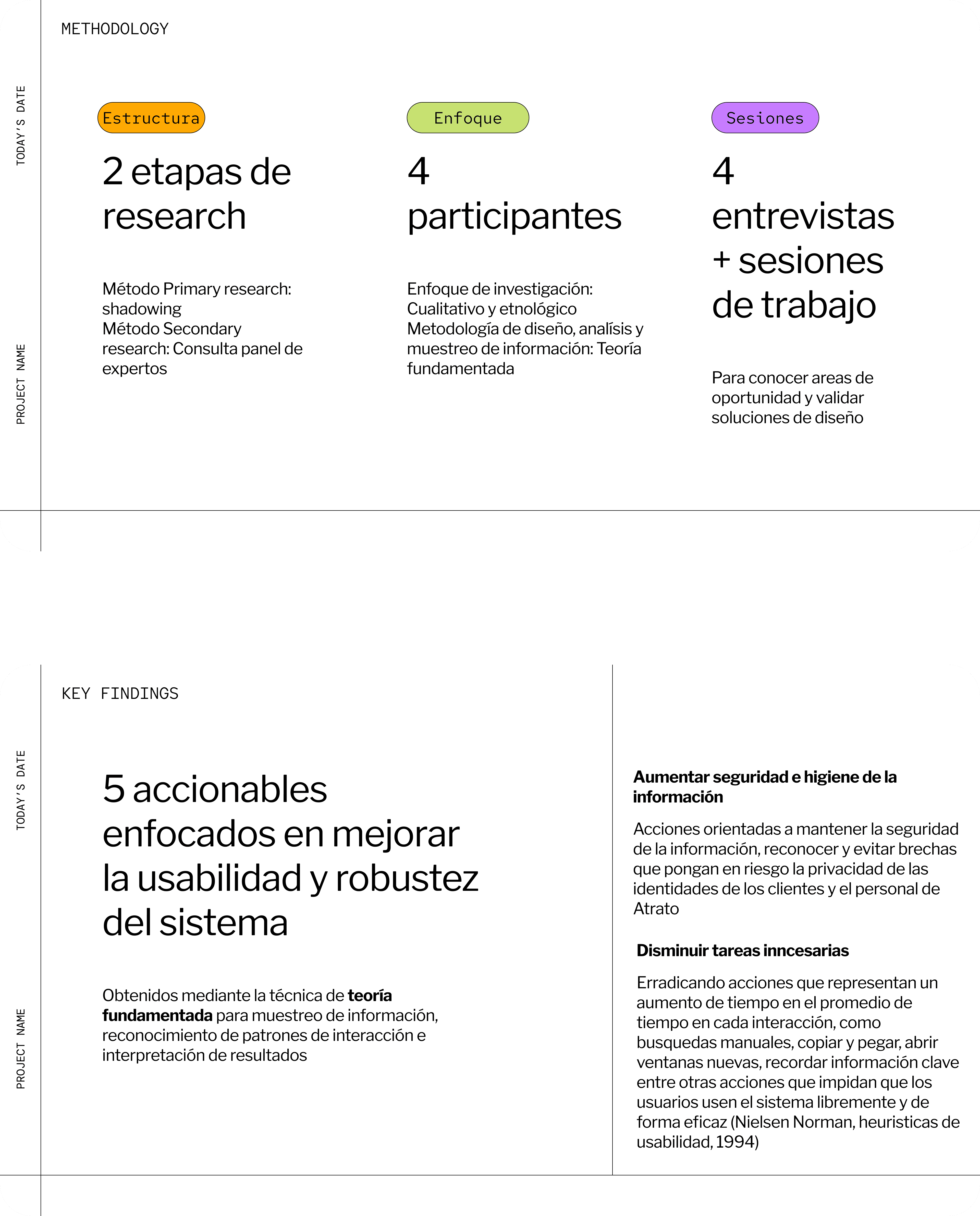
Figure 2. An overview of the presentation shared with managers and CEO
In the meantime, of course, we could take more steps to dive deeper into these findings, like a benchmarking, probably a Usability Heuristics analysis, or even a design critique of the past CRM, but for our team, these findings were fairly enough to continue the project and sure our resources of time and money for more tests was limited, so we decided to move forward with the user stores, the Jobs to be Done and writing the success criteria for the CRM.
4. Information Architecture and wireframing
At this point, we were ready to jump up into a more "tangible solution", the project document was ready and approved and the stakeholders were happy with the user research results.
We can say "We have some points in our favor" because we were on time, but one step out of the scope could be very problematic for the project, so I have to do something about it.
On this stage doing a user journey map or something related could take an important amount of time on elaboration, validation, and approval, so I decided to do something more "didactic and collaborative" for our users.
for that reason I conducted a workshop, the main objective of this session was to give every user the chance to decide the way they want to read and see the necessary information of a ticket, like identity validation, documents, the credit history of the customers, just for mention some examples of the high volume of information that we need to accommodate in a friendly and sophisticated user pattern.
in this session the users had to organize the information according to their necessities following some instructions given by a facilitator (me) then they voted for the better solutions. the result
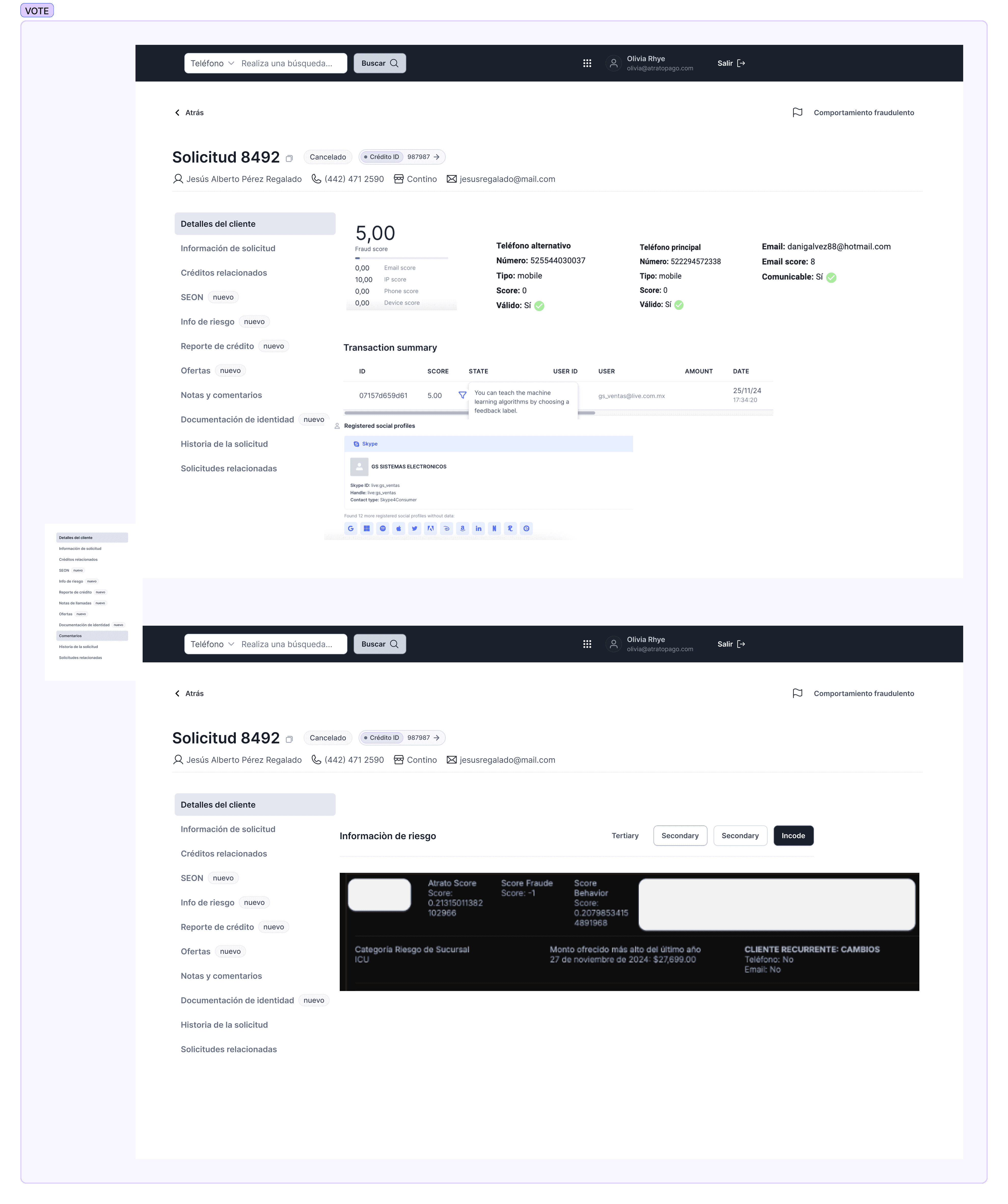
Figure 3. During the session, the users had the chance to paste their important information into template screens and then discuss the better solutions.
Once done, we were ready to step up into the wireframing process.
4. Concept testing and approval
After the session, I've worked on the wireframing and prepared a session to show up the results, validate the wireframes across many scenarios, and a design critique made by the credit approval team.
The acceptance was very positive and they were happy with the results especially because they had the chance to decide and participate directly on the design instead of presenting a user journey map or a user flow I saved A LOT of time on this process.
5. High-fidelity Prototyping and final user testing
Finally, I designed the final prototype using our own design system, the result was very positive, and bigger fixes were not necessary to produce a product very accurately in a real environment.
In the final session, I prepared a user test proposing different scenarios according to the reality of their daily work
The metrics I measured were according to Google's HEART framework.
Google's HEART framework is a user-experience measurement approach developed by Google's research team to help product teams measure the quality of their user experience. The acronym HEART stands for:
Happiness: Measures user attitudes and satisfaction, typically gathered through surveys and feedback. This includes metrics like satisfaction scores, Net Promoter Score (NPS), and ease of use ratings.
Engagement: Measures how much users interact with a product and how deeply involved they are. This could include metrics like session length, visits per week, or number of features used.
Adoption: Tracks how many new users start using a product or feature. This includes metrics like number of new accounts created or percentage of users trying a new feature.
Retention: Measures how many users keep coming back over time. This looks at metrics like churn rate, monthly active users (MAU), or how many users remain active after a certain period.
Task Success: Measures how efficiently users can complete their intended goals. This includes metrics like task completion rate, time to complete tasks, and error rates.
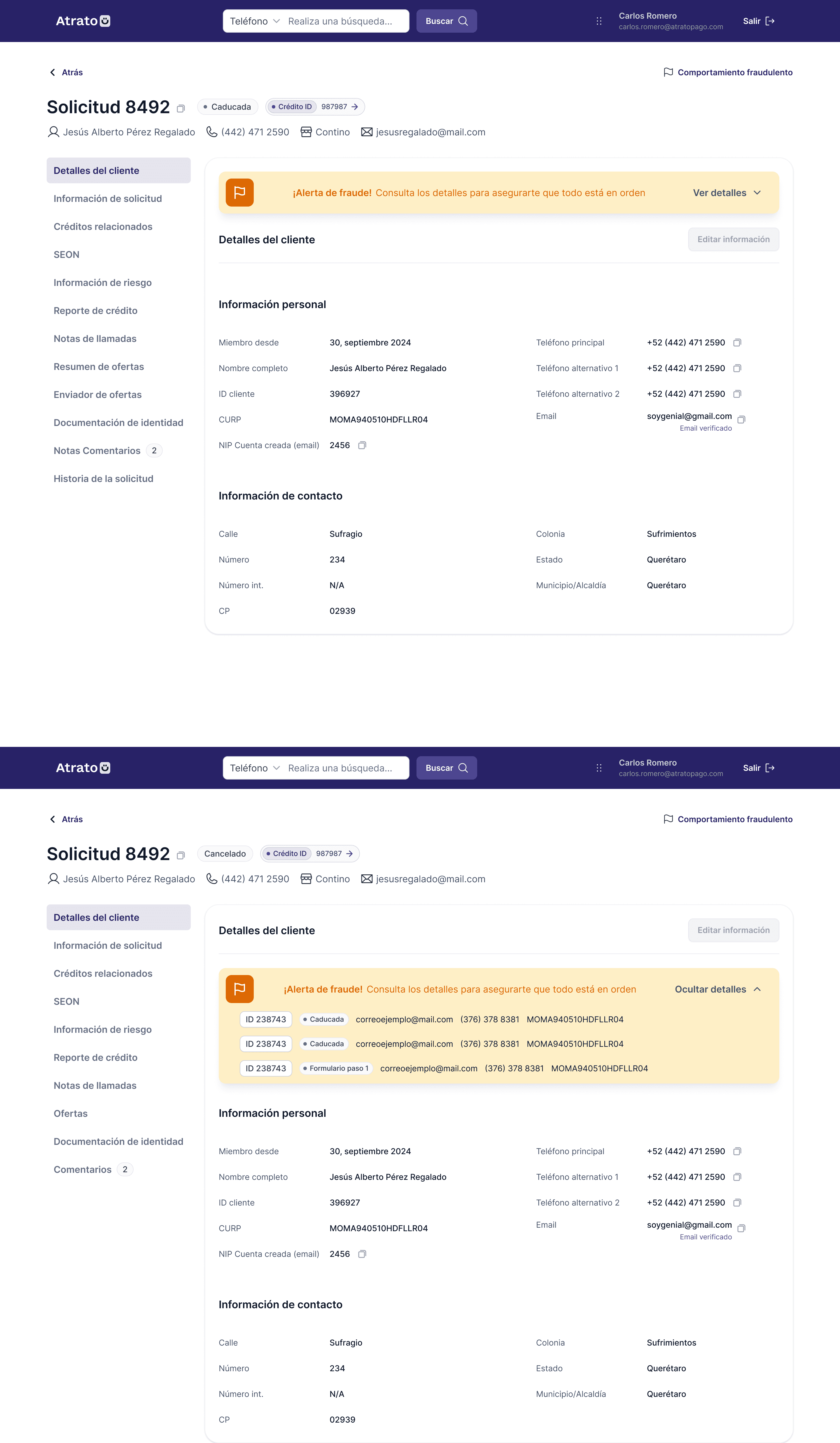
Figure 4. These are some examples of the final design
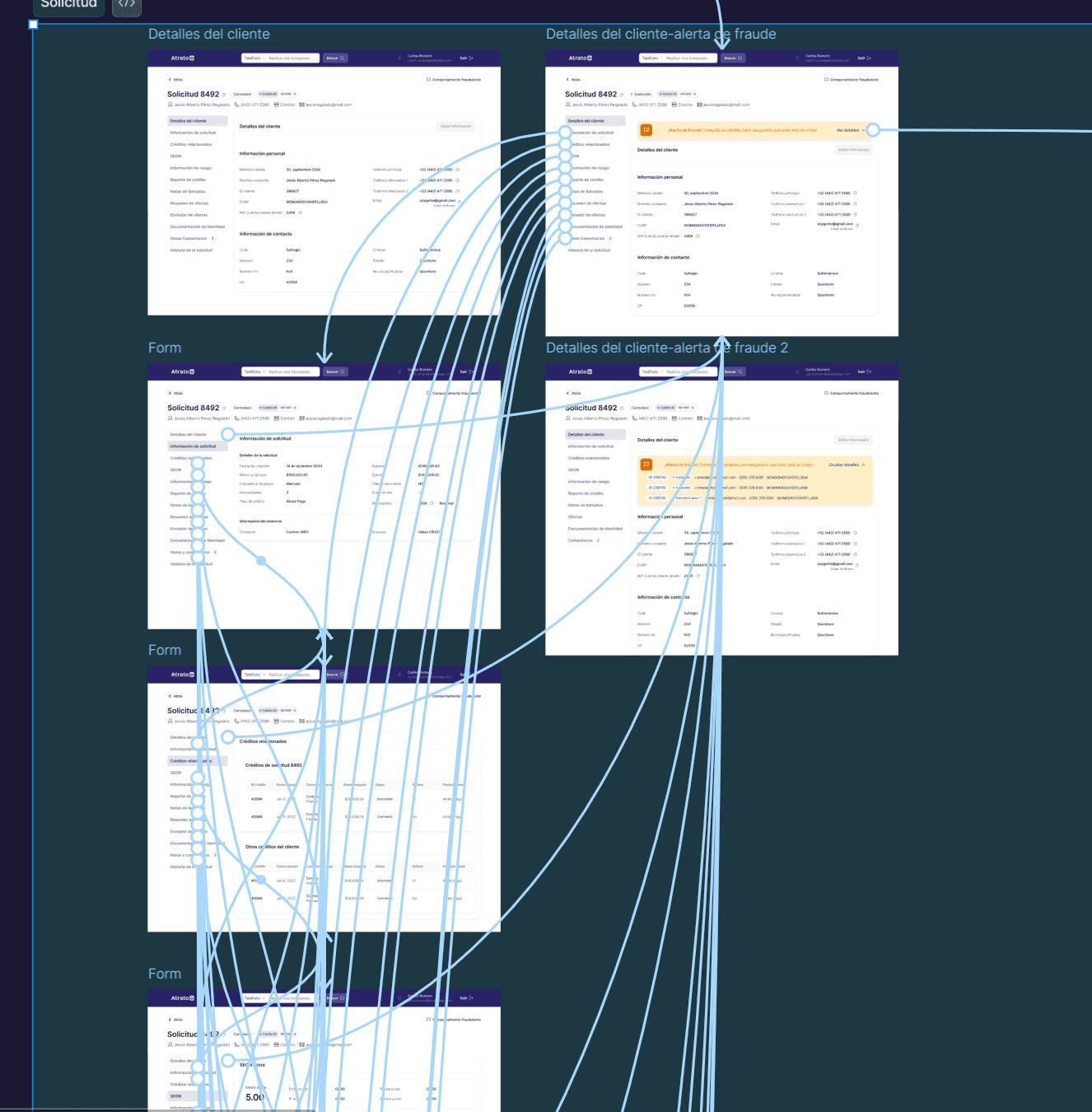
Figure 5. And these are some example screens from the high-resolution prototyping
6. Takeaways and next steps
Currently, the project was approved by the credit team, managers, and the CEO, and is currently under development.
Once the development is finished I have to publish the CRM in a Beta environment this is a critical phase because I have to evaluate using some tools like heat maps, screen session recordings, and eye tracking tests, to measure its performance using Microsoft Clarity.